
Case Study · E-commerce UX/UI
EVVO: Turning a spec sheet into a shop
A French snowshoe brand with award-winning tech that nobody understood. The site needed to sell the story, not the specs.
Client
Evvo Snowshoes
Role
UX/UI Designer
Team project Ironhack with Jacopo and Rodrigo
Timeline
6 Weeks (MVP Design)
Focus
Rebranding & restyling website
Context & Challenge
EVVO Snowshoes:
A French brand with patented lightweight technology, bio-sourced materials, and Michelin partnership. Despite award-winning products, their e-commerce site read like a technical catalog. Dense specs, buried value proposition, and confusing navigation for users shopping in a mindful, emotional way.
The Challenge: Invisible Innovation:
Our research revealed a critical disconnect: Users couldn't tell why EVVO was premium. Only 1 in 3 understood the sustainability angle, and 70% of mobile traffic bounced due to a desktop-first experience. Innovation was buried under technical jargon.
The Objective:
Redesign the e-commerce experience to celebrate EVVO's innovation, sustainability, and comfort while making product selection intuitive and decisive.
70% Drop-off on Mobile.
The original site was a technical catalog built for desktop. Our research showed most traffic was mobile, leading to massive churn.
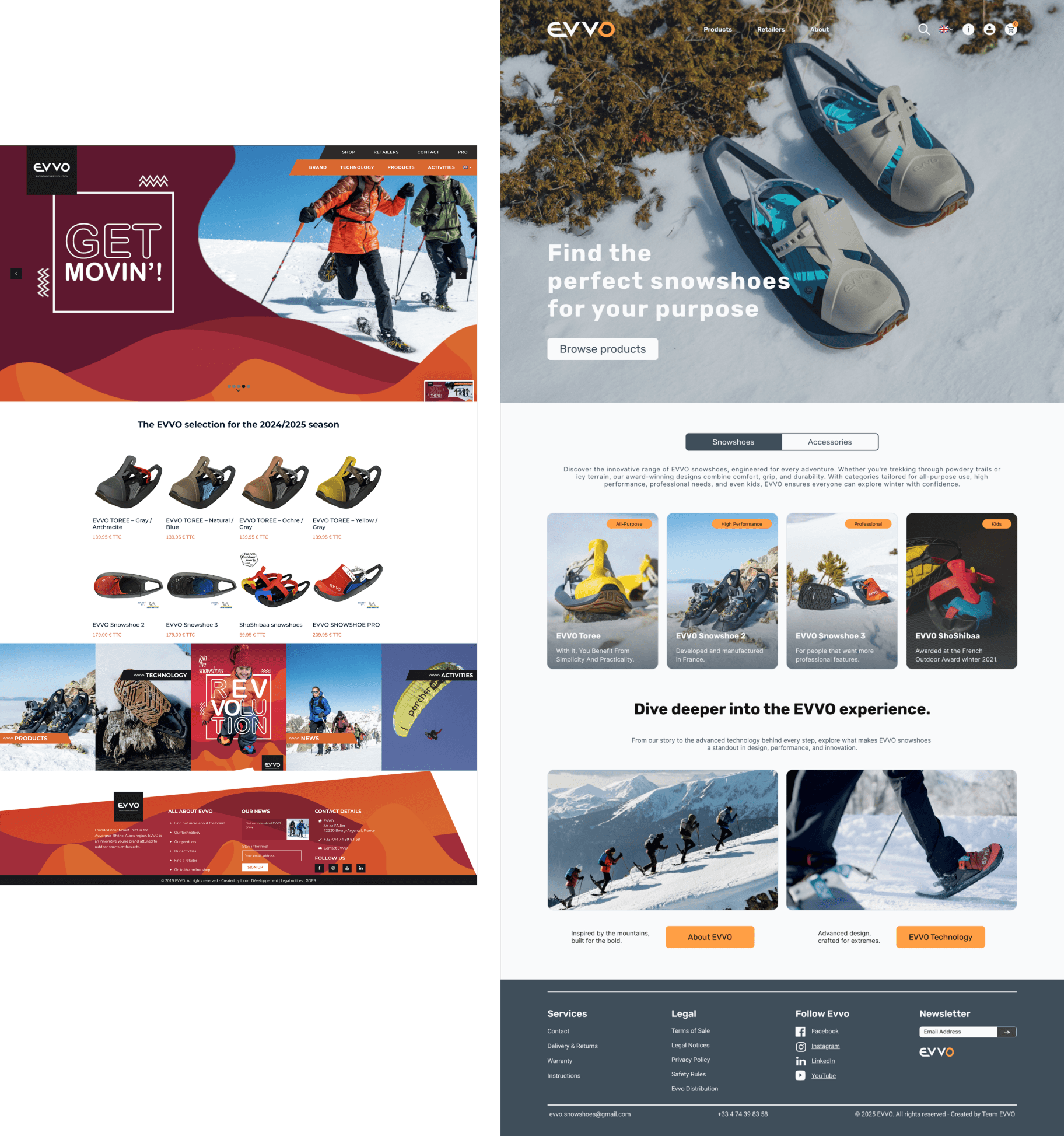
Strategic Pivot:
From Specs to Story
Only 1 in 3 users understood Michelin soles & recycled materials, the brand's core differentiators weren't clear.
No responsive design
70% research on mobile with dense product cards, unclear sizing, no comparison tools led to high abandonment.
Interviews showed shoppers seeking comfort, quality, & sustainability, not technical features. Brand story was missing.

The User: The Cautious Adventurer
"I need to trust the gear before I buy it.
I don't care about specs; I care about safety."
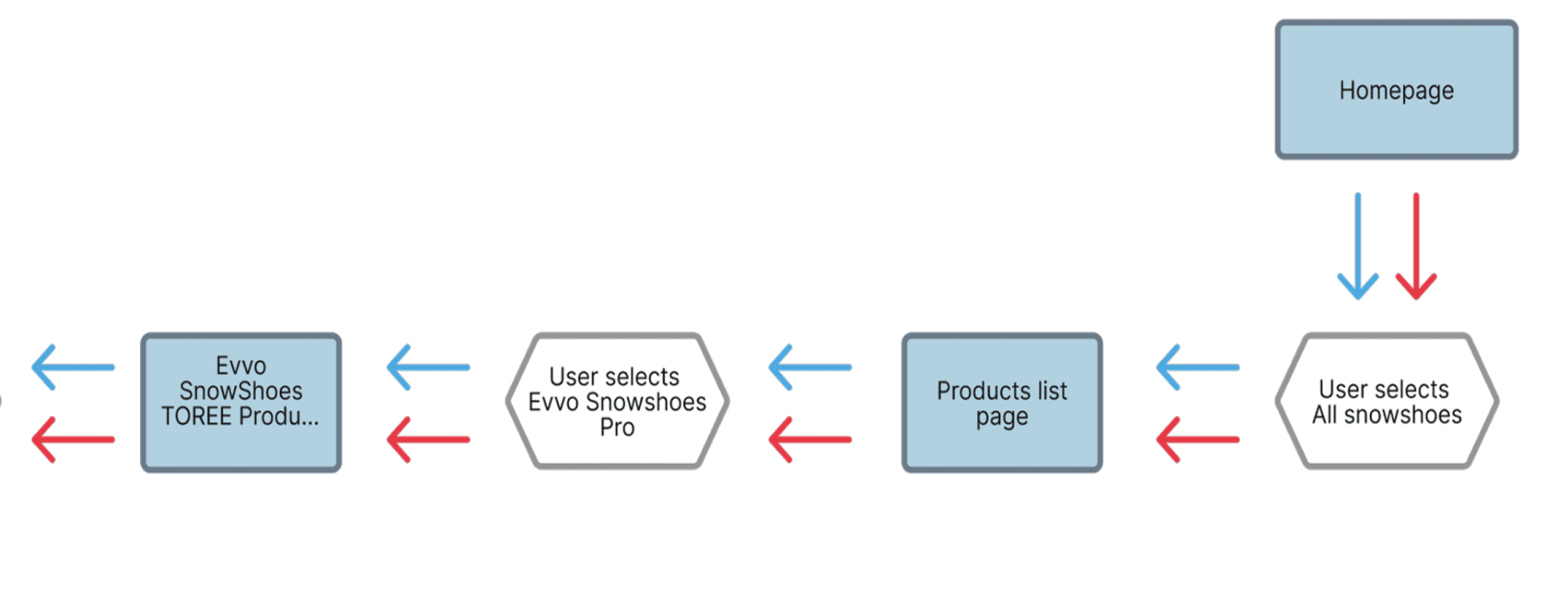
Streamlined Architecture
We replaced the spaghetti-web of technical categories with a linear 'Finder' flow. By guiding users through need-based questions, we reduced decision fatigue and accelerated the path to checkout.
Design solutions
01
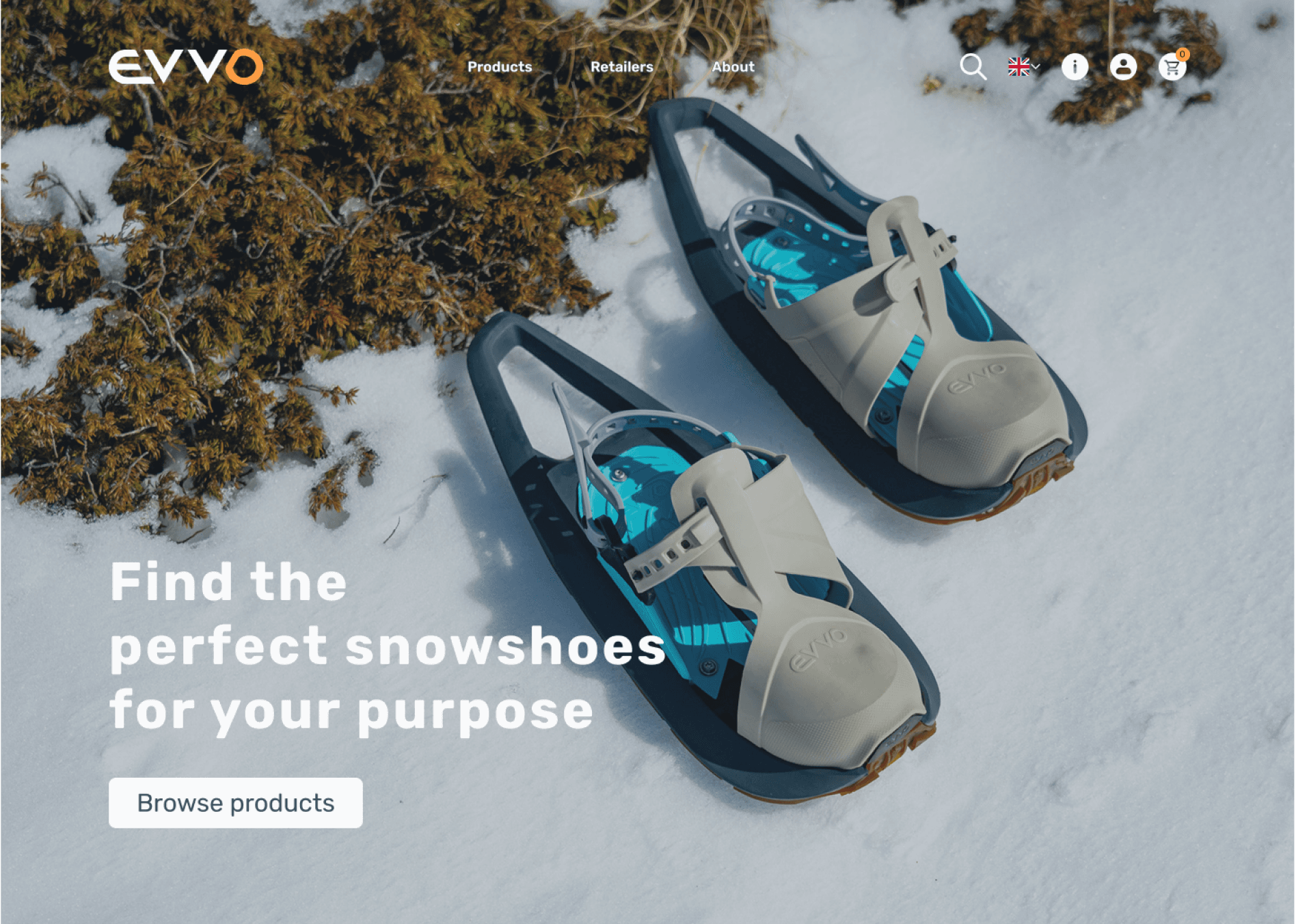
Homepage Redesign
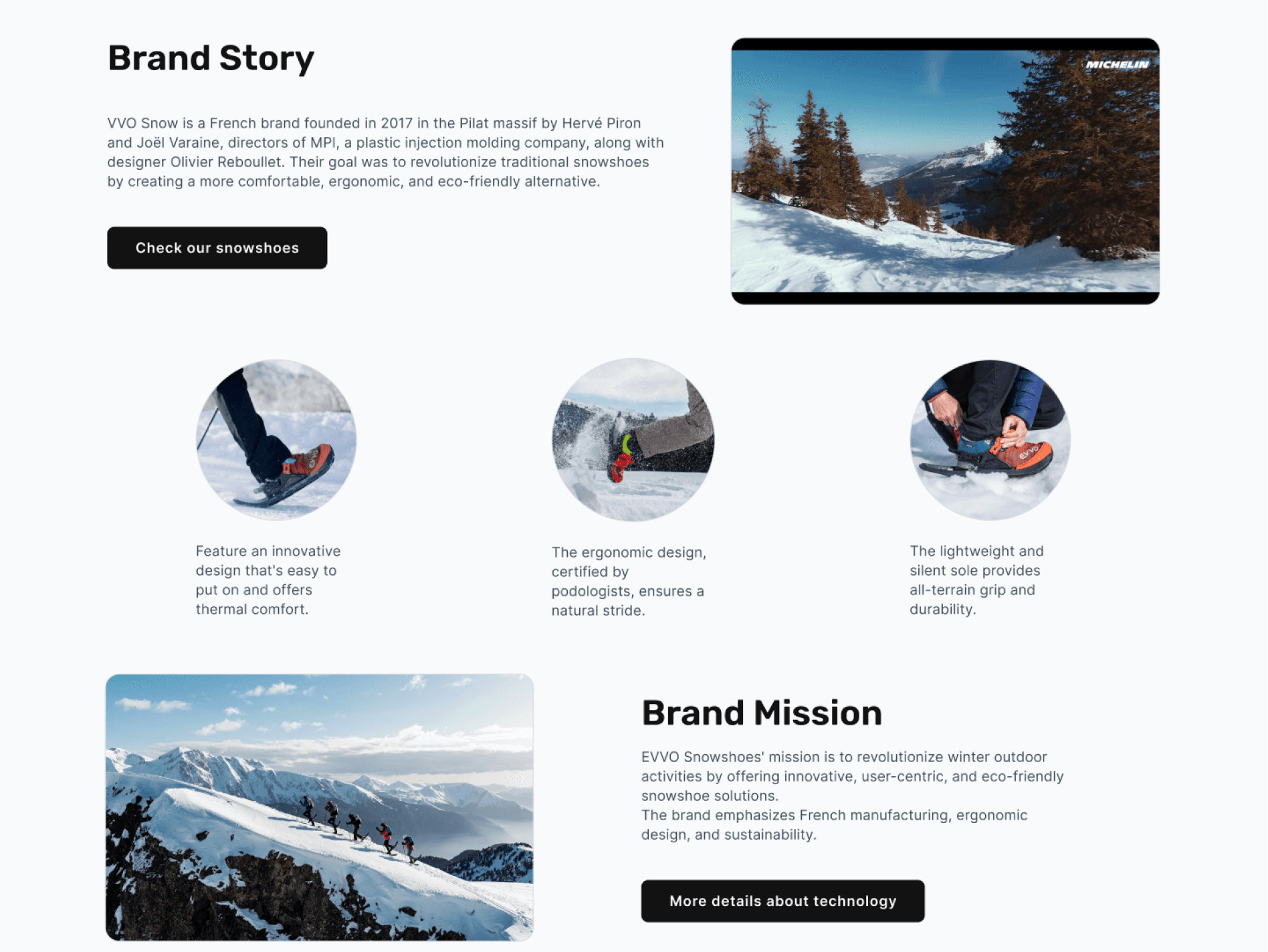
Narrative homepage
Moved story front-and-center, explaining "why" EVVO matters before showing "what" they sell. Users feel brand intent before product spec.
Story driven
Value first
02
Navigation
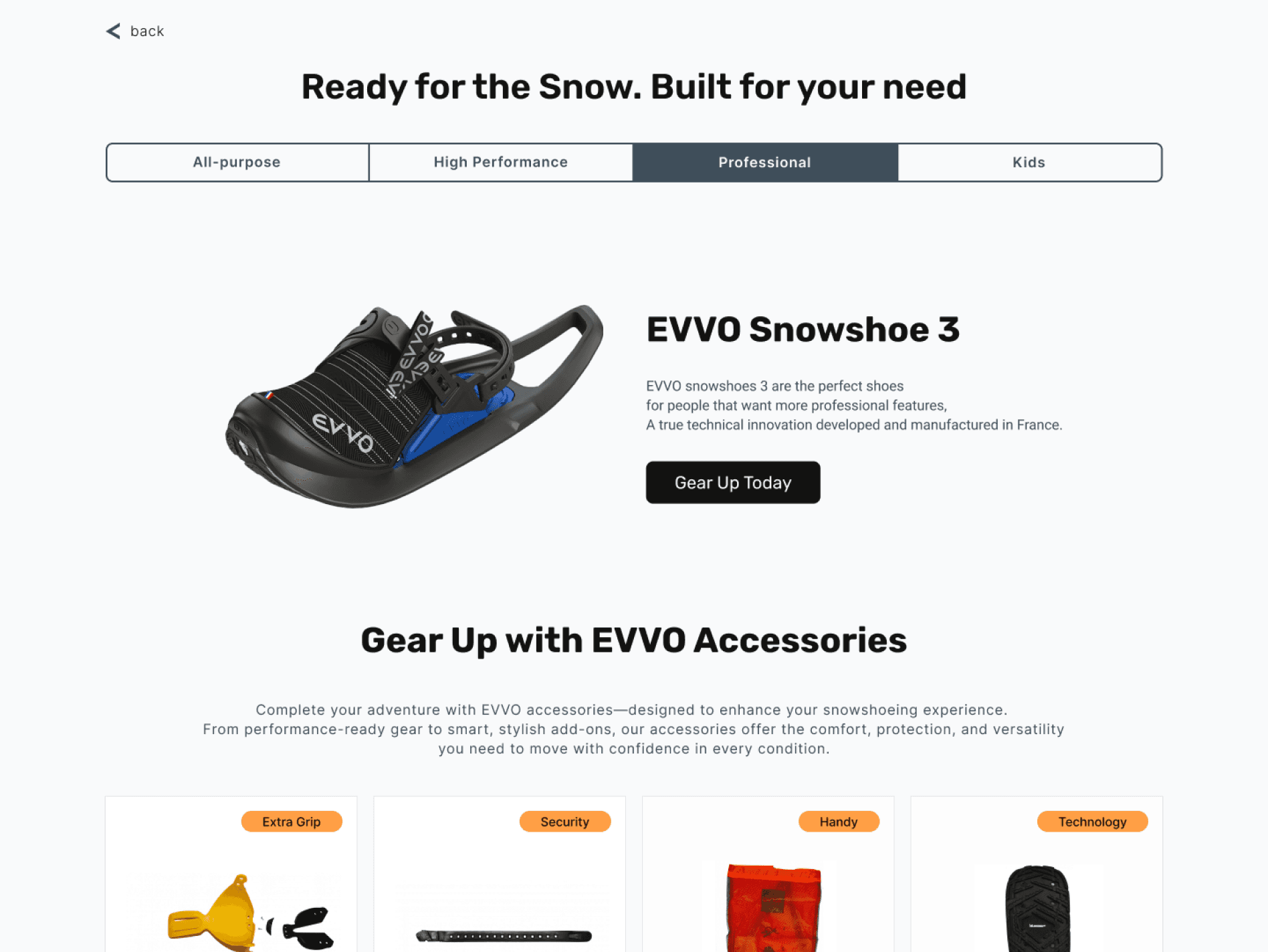
Need-based Navigation
Replaced 8 technical SKU codes with activity-based categories (e.g., 'High Performance'). This allows users to self-segment instantly.
User-centric
Intuitive
03
Product Cards
Scannable Decision Cards
Restructured hierarchy: Emotion (Image) → Benefit (One-liner) → Spec. This lets users skim for value first and dig for proof later.
User-centric
Intuitive
04
Decision Support
Confidence Building Comparison
A side-by-side tool allowing users to weigh priorities like grip vs. weight. This feature directly addresses the 'fear of buying the wrong gear' friction point.
Decision aid
Confident choice
05
Product Details
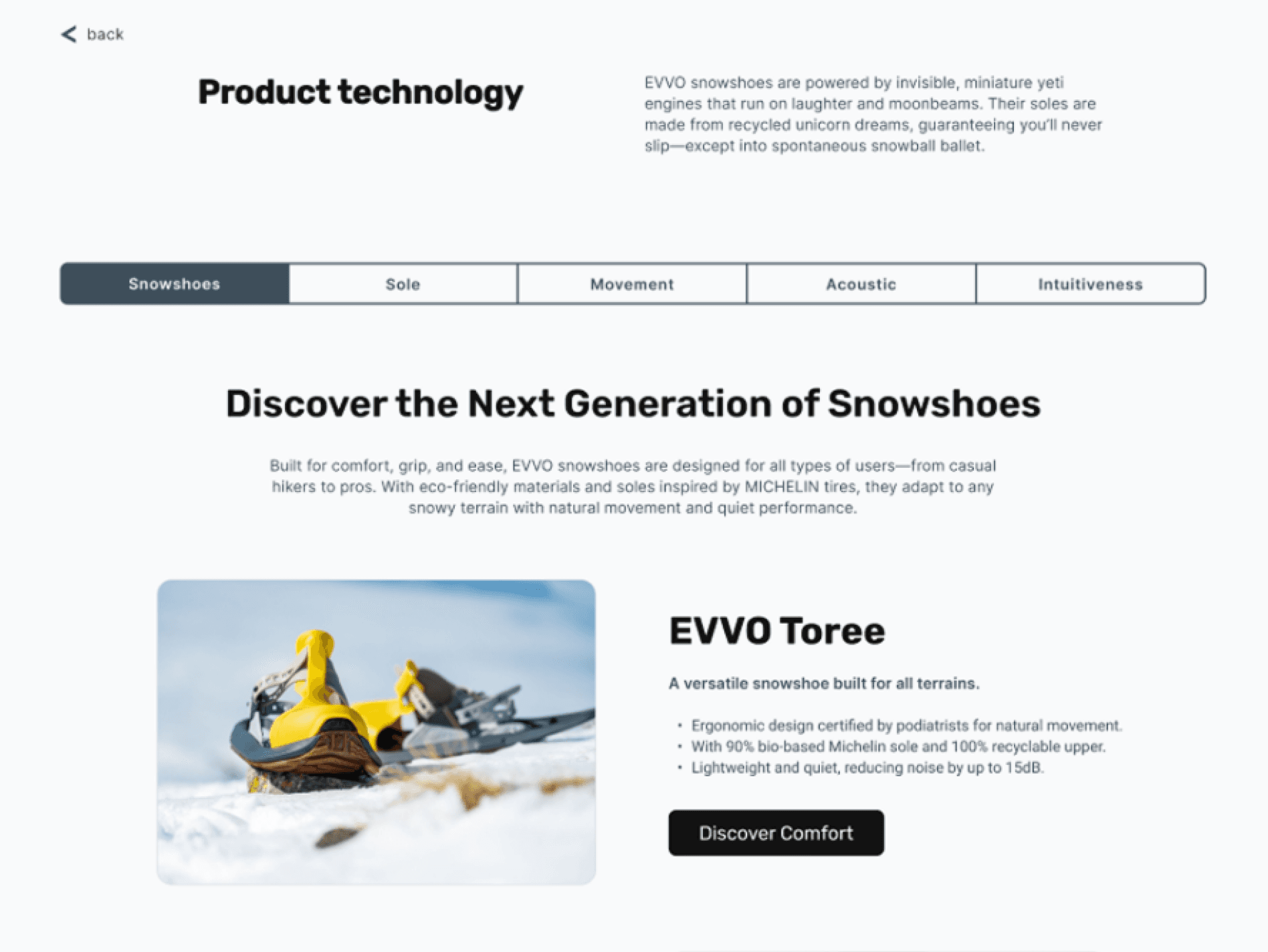
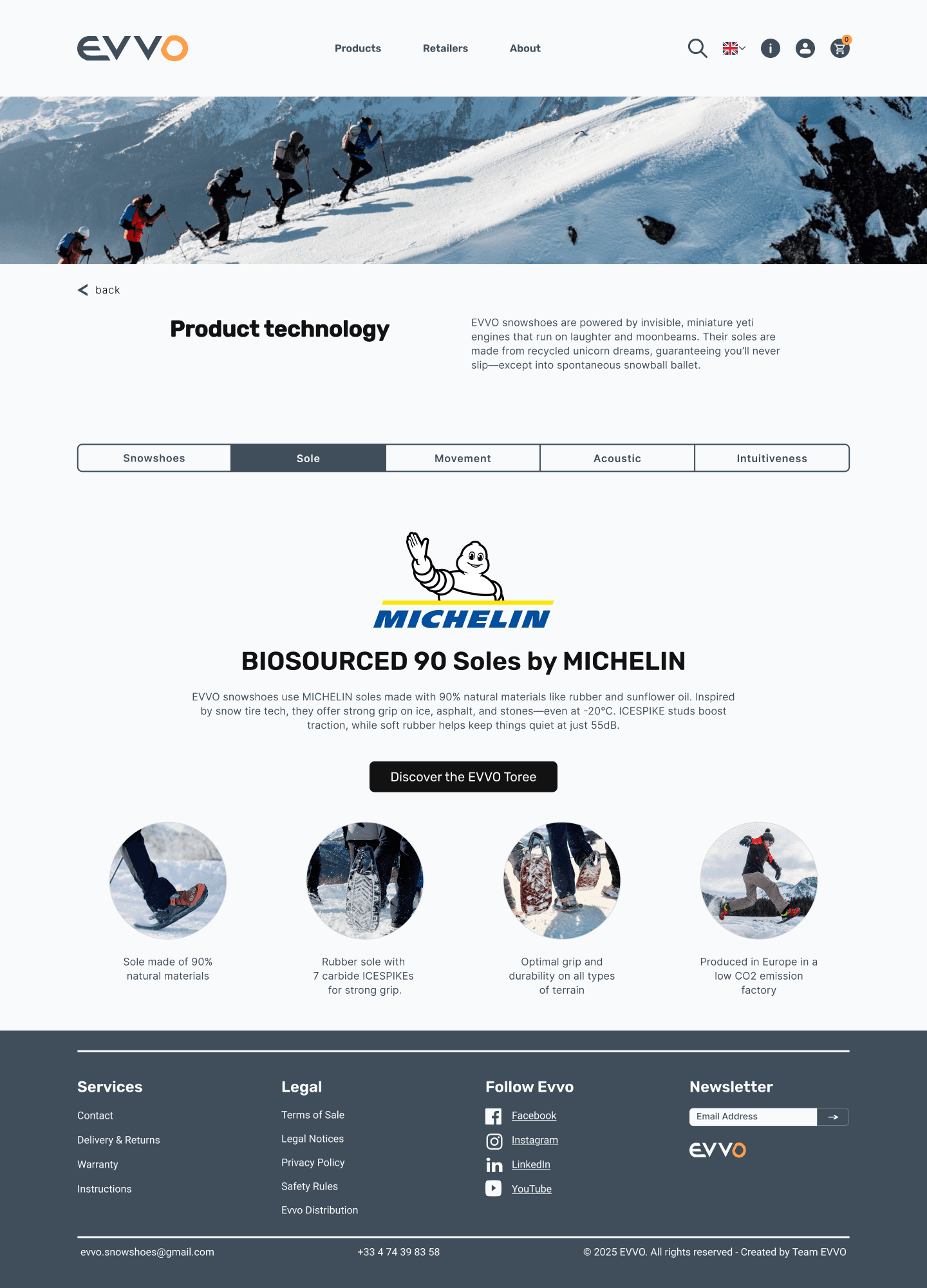
Story-driven Product Pages
Product detail: Michelin technology explained via story + visuals, not table. "Why recycled materials matter" becomes benefit-focused, not feature-focused.
Educational
Visual storytelling
06
Components
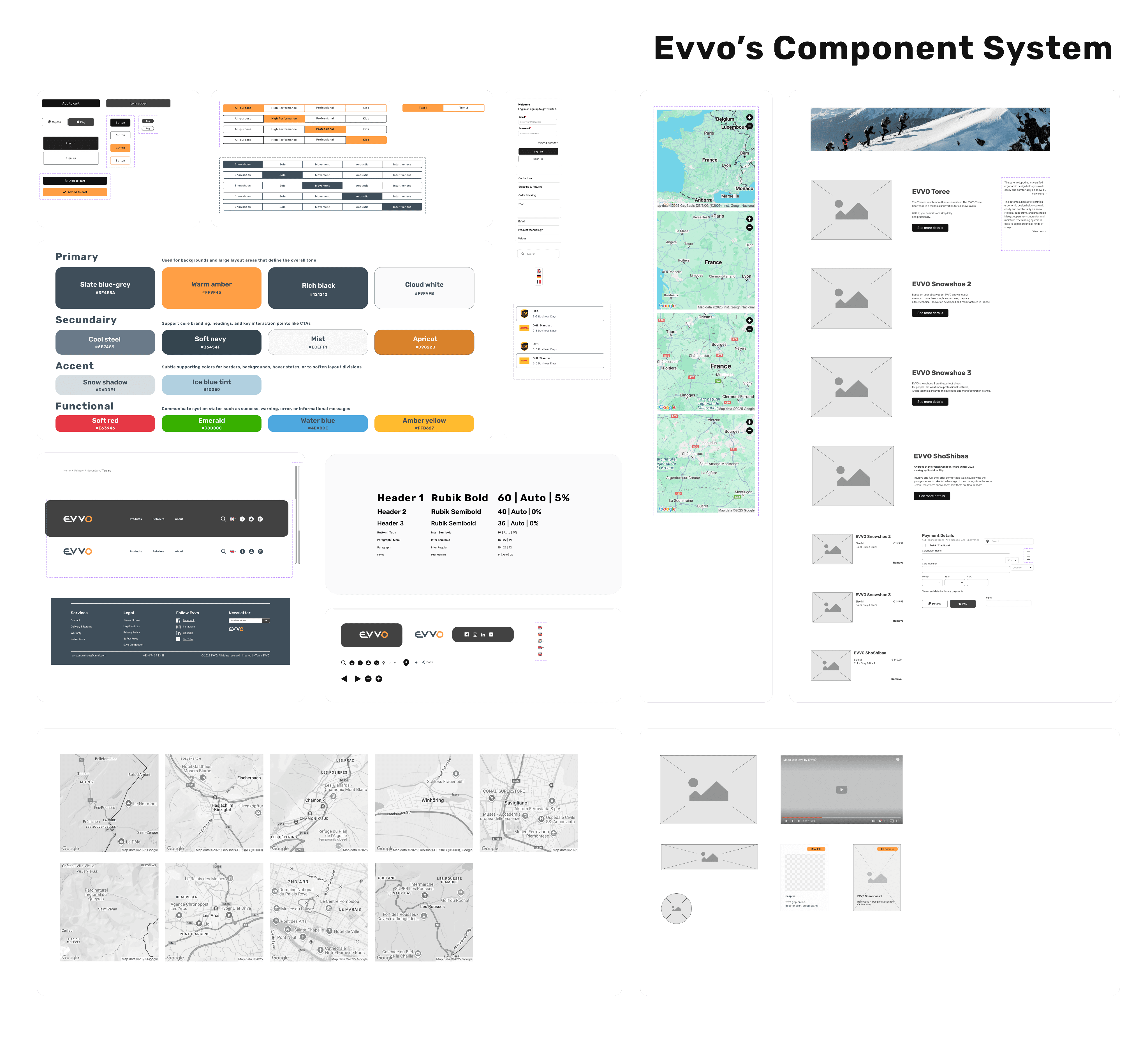
Built for Scale
A modular component library to ensure consistency across the e-commerce journey
Atomic design
Auto Layout
Impact & Project Reflections
33%
Clearer understanding
Brand differentiator clarity
(usability tested)
70%
Reduced cognitive load
Mobile experience
(usability tested)
New
Scalable Architecture
Reduced decision friction at checkout
The hypothesis: lead with story, support with specs. Usability testing showed users understood the product faster and felt more confident choosing. Whether that translates to conversion is still unproven.
Witty Wolf Design
Madrid