
Case Study · iOS Redesign
Airbnb: I cloned the app and found a mess
A screen-by-screen clone of Airbnb's iOS app revealed inconsistencies you wouldn't expect from a product this big.
Role
Solo exercise: heuristic audit and concept redesign (not a client project)
Timeline
40 Hour Sprint
Focus
Heuristics, cloning and Redesign
Outcome
100% consistency
Context & challenge
The context:
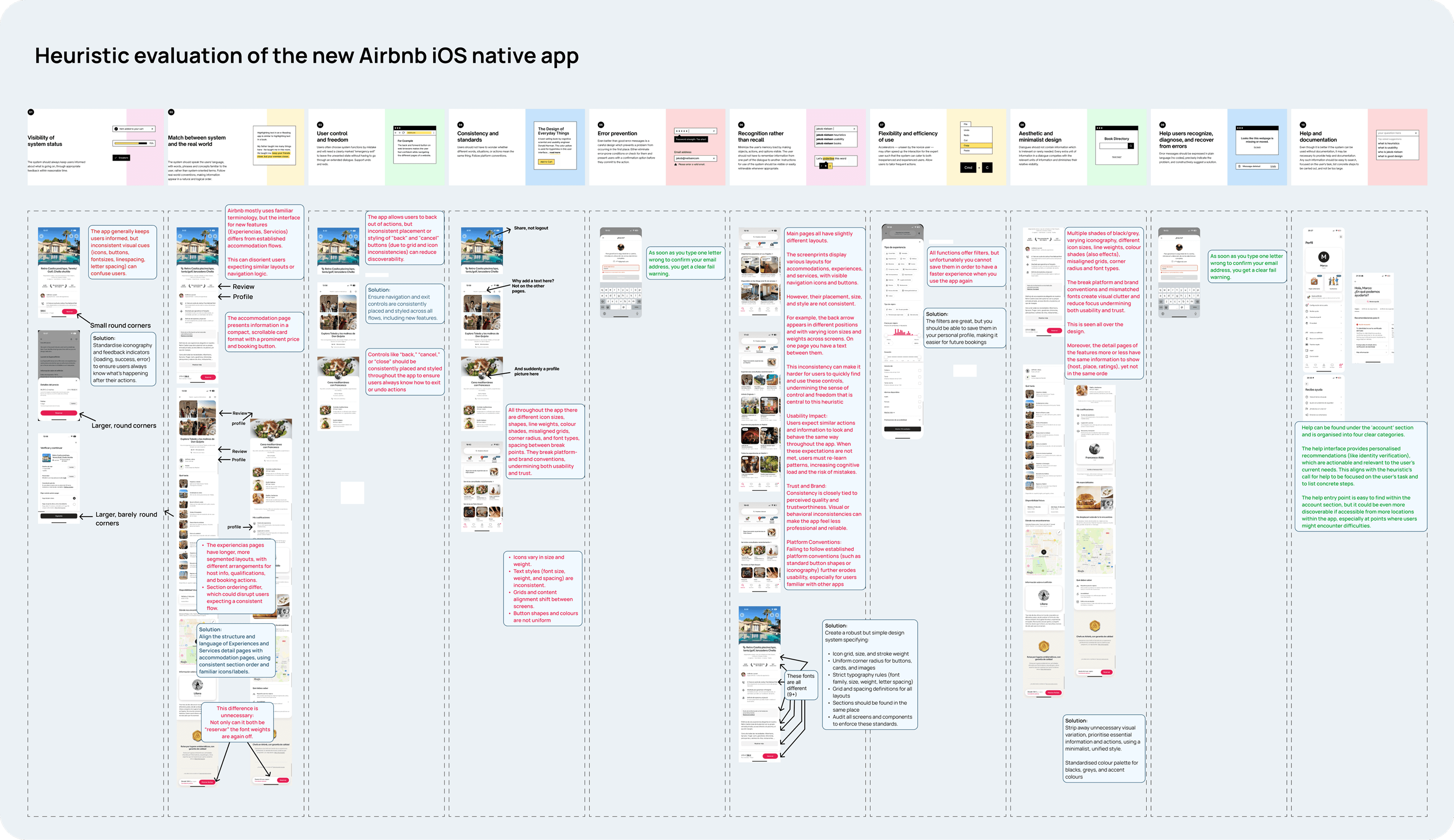
I wanted to know if Airbnb's design system was as solid as it looked. So I cloned the iOS app screen by screen in a 40-hour sprint. It wasn't.
What the clone revealed:
The Objective:
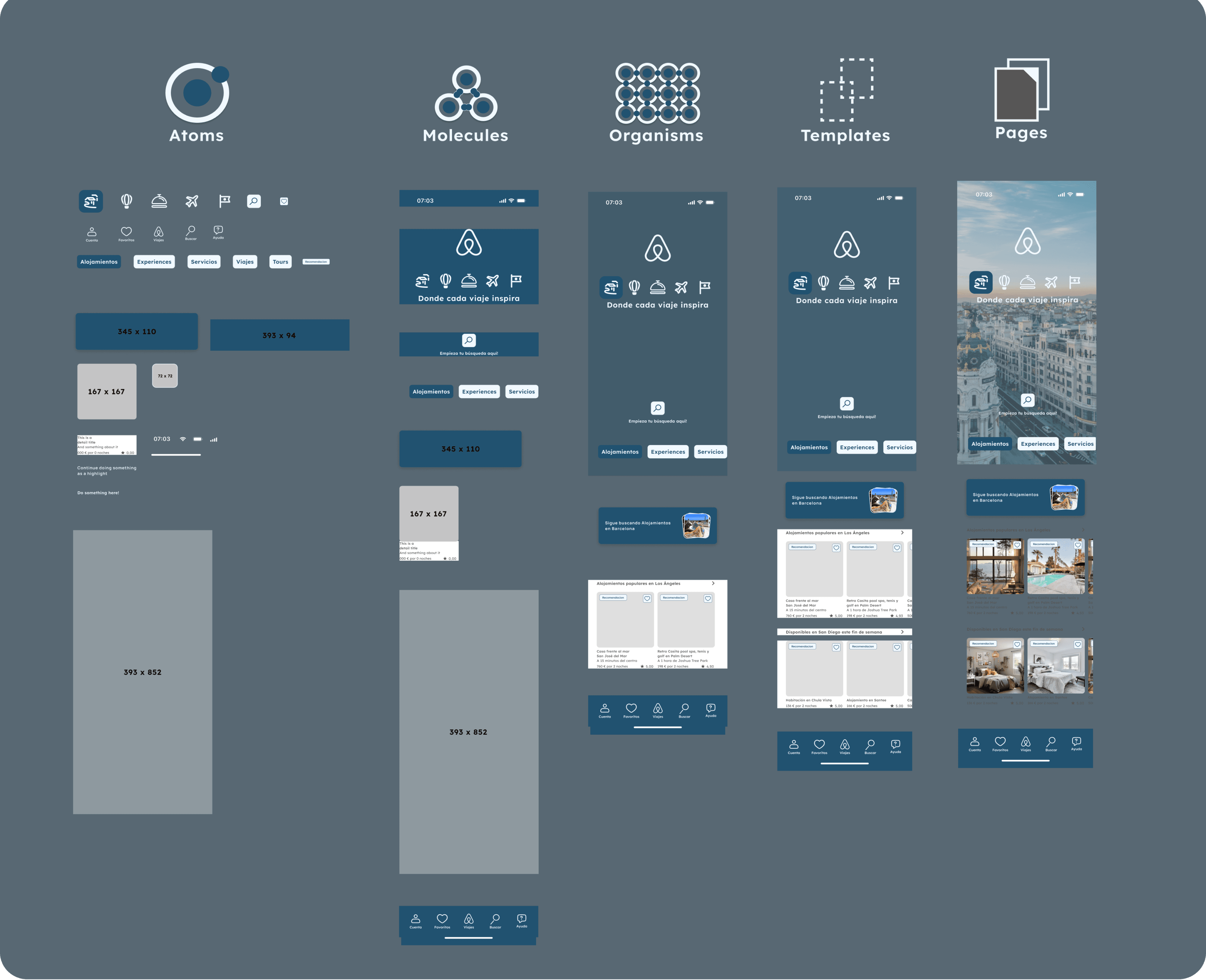
Once the problems were documented, I wanted to test whether strict atomic design could resolve them. The redesign below is a concept, not a shipped product. It's one possible answer to the problems the audit surfaced.
Audit findings
9+
Font variations
Cloning the app revealed a typographic mess. I identified over 9 different combinations of weight and size in a single journey, with no clear hierarchy.
Unpredictable controls
Basic navigation is inconsistent. The 'Back' arrow and 'Cancel' buttons shift positions and change styles between screens, forcing users to constantly re-orient themselves.
12+
Inconsistent layouts
Corner radii on cards and buttons varied randomly. This lack of standardization made the interface feel like a patchwork of disconnected features rather than a single product.
From atoms to pages
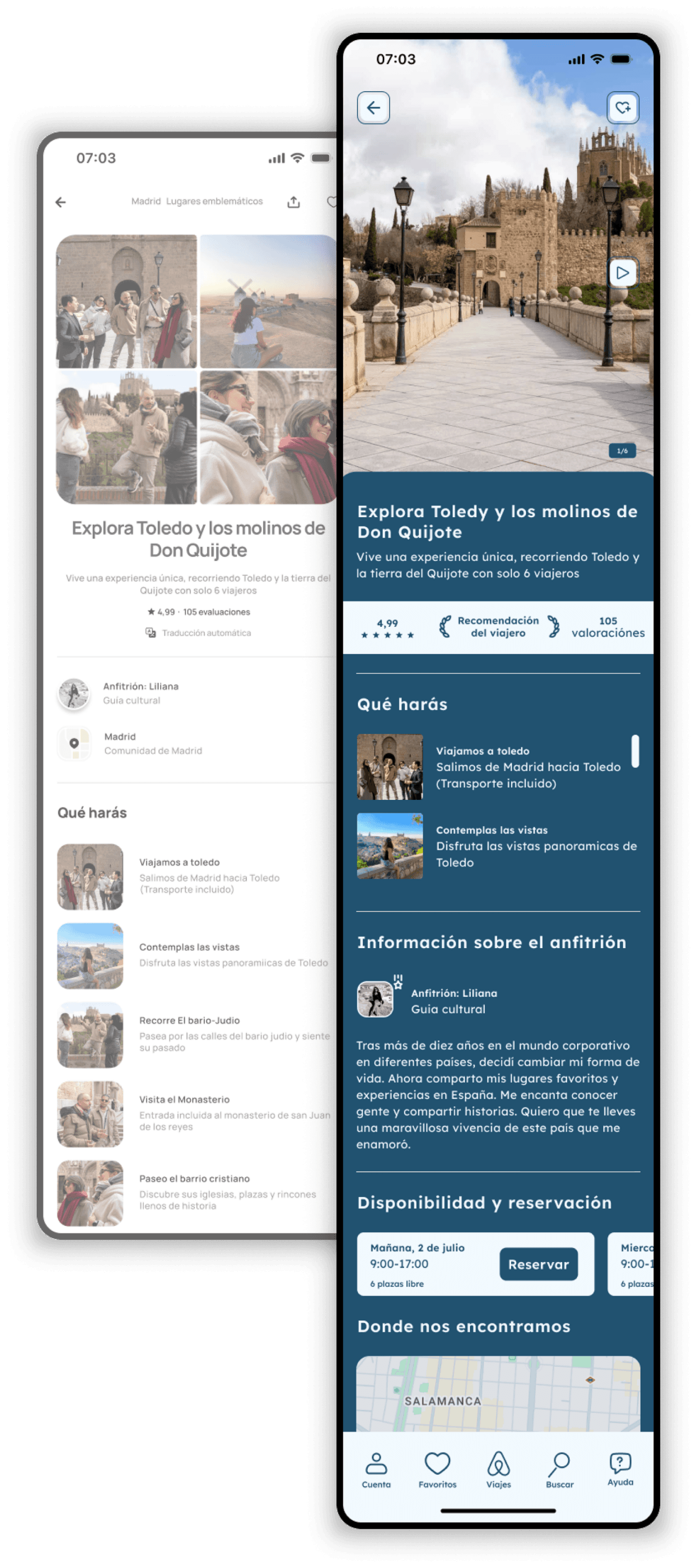
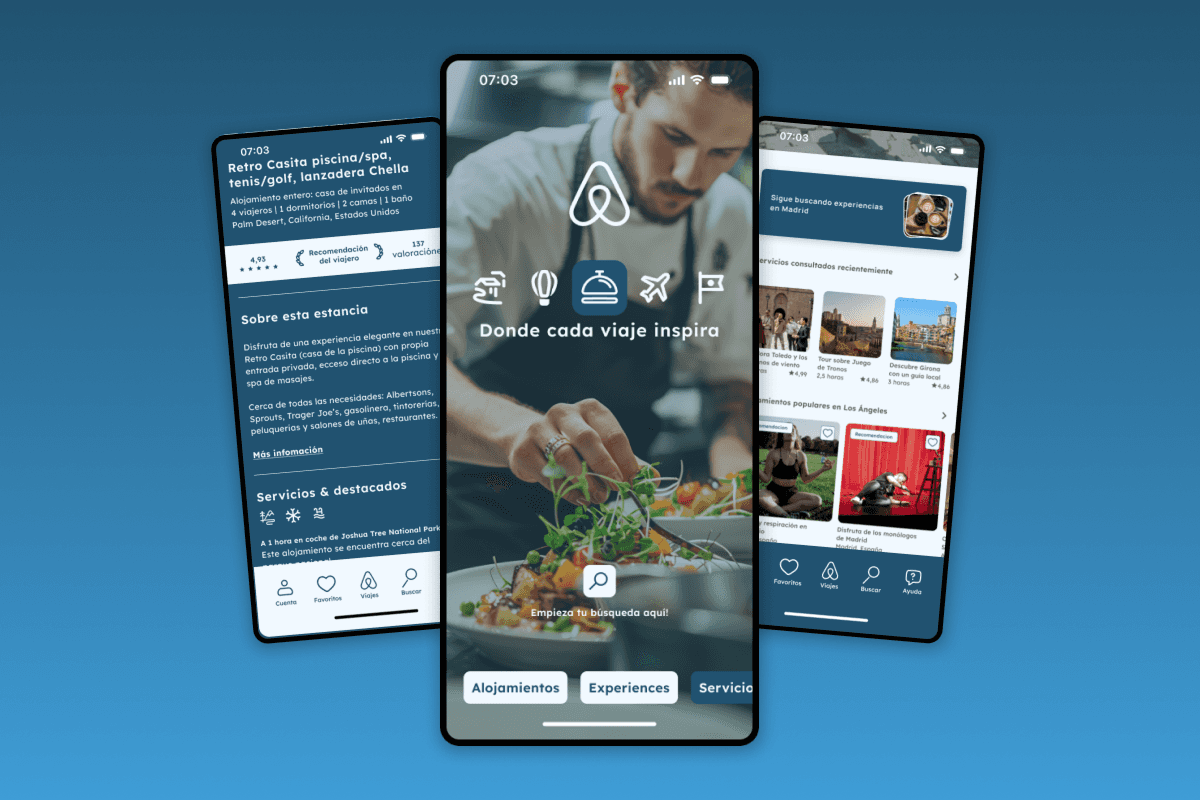
To test whether the inconsistencies could be resolved structurally, I built a modular system from scratch: strict icon grid, uniform 8px corner radii, standardised colour palette. Every screen shares the same foundation.
A possible fix
01
Typography
Legible typography
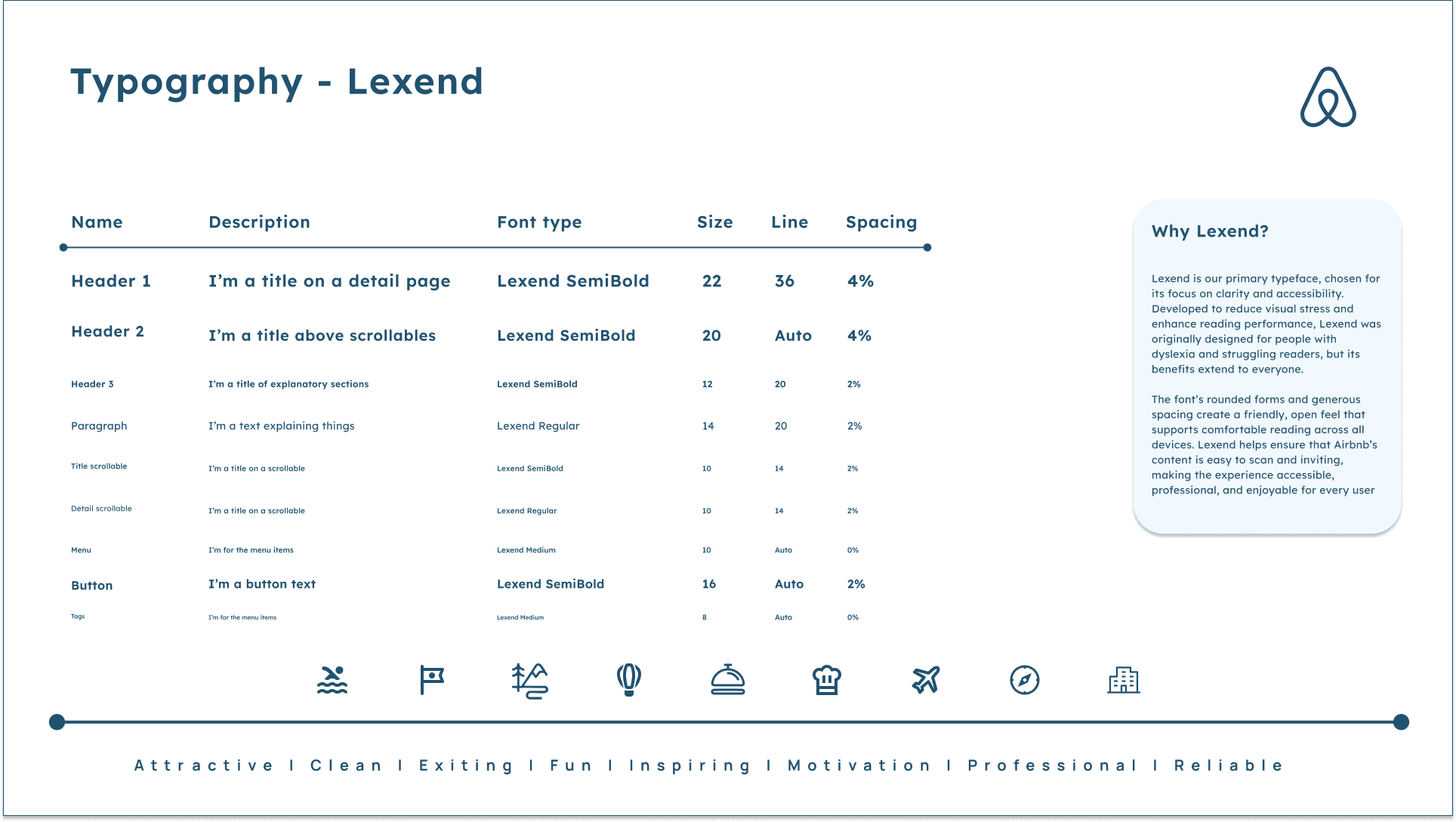
Switched to Lexend as the primary typeface. Its rounded forms and generous spacing improve readability and accessibility for a broader range of travellers.
Accessibility
Readability
02
Consistency
Unified components
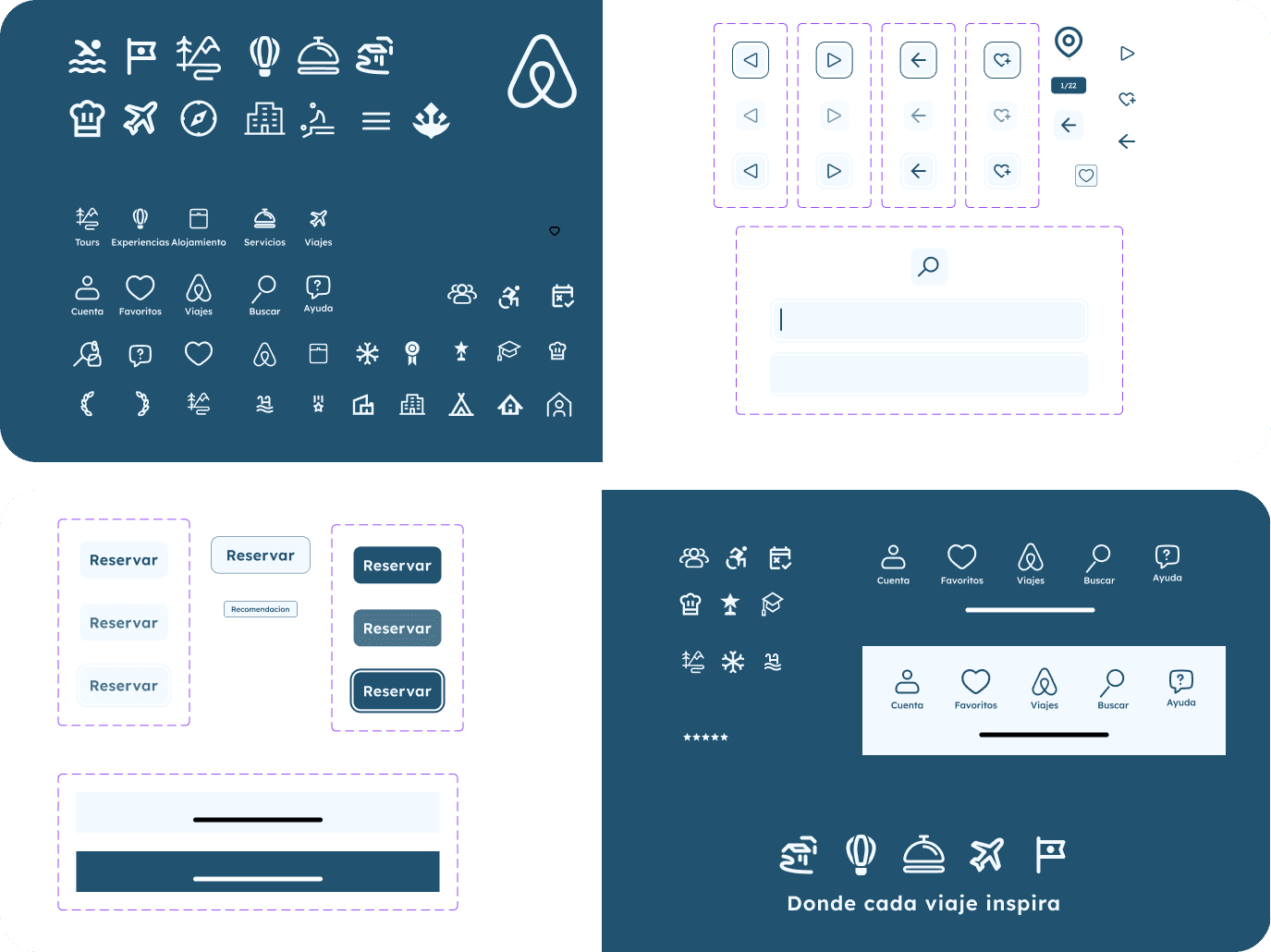
Standardized the icon grid and button system. Now, every interactive element shares the same stroke weight and corner radius, reducing the learning curve.
Scalability
03
experience
Calmer discovery
By removing visual noise and aligning the grid, the new interface allows users to focus on what matters: the beautiful properties and experiences.
Calm UI
Visual Hierarchy
What this exercise showed
Full standardisation
Every atomic element unified under one system (icons, buttons, radii, type)
Simplified navigation
Aligned controls and typography across all flows to reduce friction
Scalable Architecture
Developed a modular design system allowing for rapid feature expansion.
This was an exercise, not a shipped product. But the audit revealed real inconsistencies in a product used by millions. The redesign was a way to test whether strict atomic design could resolve them. I think it could.
Want to know more about how this was built?
Let's talk about your next project.
Witty Wolf Design
Madrid